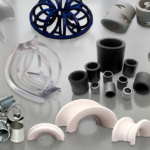
In refining and chemical processing, selecting the right tower packing is more than a design choice, it’s a strategic decision that directly impacts operational efficiency, throughput, and cost-effectiveness. Among the available options, random tower packing has become a trusted solution among plant engineers and process specialists due to its versatility, ease of installation, and proven performance across a wide range of refining and chemical processing applications.
Enhanced Mass Transfer Efficiency
Random packing is engineered to promote effective contact between vapor and liquid phases. Mass transfer in random packing is driven by the interlocking geometry, which promotes liquid distribution and film renewal across the packing surface, enhancing surface efficiency and mass transfer performance. This is particularly beneficial in separation processes, including distillation, absorption, and stripping operations, where incremental gains in efficiency can translate into measurable improvements in yield and throughput. Facilities operating under tight performance margins often find that random packing contributes to more consistent and predictable results.
Design and Operational Flexibility
One of the key advantages of random packing is its adaptability. It can be deployed in towers of various sizes and configurations without the need for precise orientation or complex installation procedures. This flexibility allows engineers to tailor packing selection to specific process conditions, including flow rates, chemical composition, and temperature profiles. This adaptability is particularly valuable in revamp or retrofit scenarios, where existing tower constraints must be accommodated.
Lower Pressure Drop
Maintaining a low pressure drop across packed beds is critical for energy efficiency and stable operation. An open, well‑designed packing structure allows fluids to move through the bed with minimal resistance, supporting efficient flow and reliable process control. Reduced pressure drop can translate into lower energy demand, smoother operation, and reduced mechanical strain on associated equipment, contributing to longer service life and more consistent performance.
Cost-Effective Maintenance
From a lifecycle perspective, random tower packing offers a favorable overall cost profile. Installation is generally straightforward, and ongoing maintenance requirements are minimal, helping reduce labor and outage time over the life of the system. These factors support reliable operation and make random packing a practical option for facilities focused on balancing performance with long‑term return on investment.
Operational Stability
Process stability is a cornerstone of reliable chemical production. Random packing helps mitigate common operational challenges, such as channeling and flooding, by promoting more uniform liquid distribution throughout the column. This contributes to steady-state operation, reduces the need for frequent adjustments, and supports consistent product quality over time.
In Conclusion
Random tower packing continues to be a widely adopted solution for engineers and plant operators seeking dependable performance in mass transfer operations across refining and chemical processing applications. Its combination of efficiency, flexibility, and cost-effectiveness makes it ideal for the evolving demands of the chemical processing industry. As operational goals shift toward sustainability and resilience, the role of robust packing solutions like random packing will remain central to achieving long-term success. When properly selected and applied, random packing remains a reliable component of high‑performance separation system design.
Ready to Optimize Your Process with Random Tower Packing?
If your operations demand reliable, high-performance tower packing, our team is here to help. We offer a full range of random packing solutions designed to support diverse chemical and refining applications. Contact us today to learn more about our random tower packing options and how they can enhance your plant’s efficiency and performance.